
"natural coffee process"
20000 article(s) found
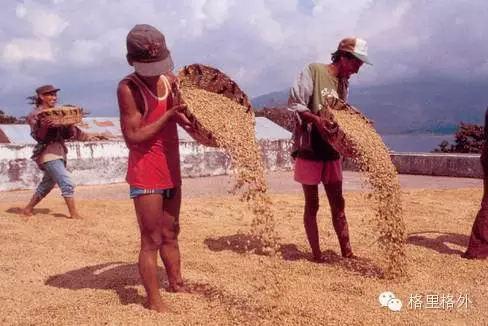
The process of coffee beans from planting and picking to the process of processing coffee beginners
Planting and picking from the coffee tree, the first flowering period is about three years old, and the fruit ripens about 68 months after flowering. The fruit generally contains two seeds, called flat beans, and a few contain only one seed, called round beans. These coffee seeds are raw beans. Coffee fruit contains two seeds, namely coffee beans. The two beans are facing each other on one side of the plane.

The selection of coffee
The process of removing impurities from the harvested coffee fruit into "raw beans" is called "refining". Refining methods are mainly divided into two categories-washing type and non-washing type. Brazil and other places originally used the non-washing type, but now some coffee also use the washing type selection method in order to pursue higher quality.

Treatment of coffee beans Coffee beans treated with honey
We know that the three treatment methods of raw coffee beans can be divided into three types. The distinction between each method is based on the fact that several layers of matter are removed from the fruit before the coffee is dried. The following is a list of the three major processing methods: 1. Natural sun treatment: retain all substances 2. Honey treatment: remove the peel and pulp and retain part or all of the mucous membrane (honey) 3. Washing method
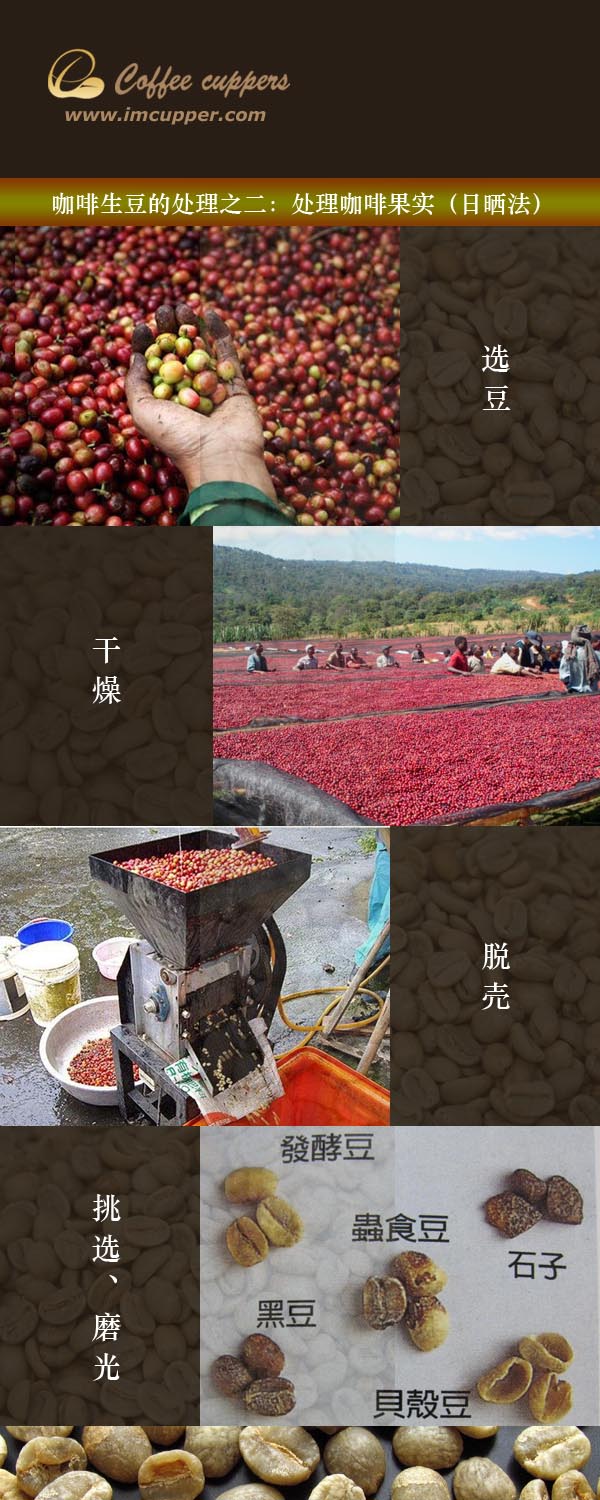
Processing of green coffee beans: processing coffee fruits (solarization method)
The coffee variety determines the natural flavor, but the treatment of the green beans can determine the acquired quality. Coffee selection attaches the most importance to flavor and quality, so special attention is paid to the technique and detail of processing. Harvested fruit must be processed immediately, otherwise it will begin to ferment and produce off-flavor coffee beans. There are two methods of treatment: sun drying (San-Dry) and washing (Washing).

Natural Coffee Solarization Process Introduction What is the difference between coffee washing and solarization?
Professional coffee knowledge exchange More coffee bean information Please pay attention to coffee workshop (Weixin Official Accounts cafe_style) Coffee is a kind of fruit. After picking, coffee cherries go through a long and complicated process from green beans to green beans. Different countries, different regions and different farms have different methods for processing coffee beans. The sun treatment method is used to treat coffee after picking

Sun-treated fine coffee
Coffee beans are processed in the following ways: sun (Natural); semi-sun (Semi-Natural or Pulped-Natural); honey processing (Honey processing) and washing (Washing). Water washing treatment means that immature and immature coffee fruits are screened out in a special way after harvesting.

Brazilian Green Coffee Processing Craft Coffee Green Coffee Merchant American Fine Coffee
The four most common treatments for Brazilian coffee are sun, desizing, half-washing and washing, with sun being the most popular. Since the harvest seasons of Cerrado Mineiro and Mogiana Paulista, Brazil's two main producing areas, are both dry seasons of the year, natural solarization is common in this area.

Brazilian coffee beans processing Brazilian coffee green beans wholesale coffee beans American coffee beans
The four most common treatments for Brazilian coffee are sun, desizing, half-washing and washing, with sun being the most popular. Since the harvest seasons of Cerrado Mineiro and Mogiana Paulista, Brazil's two main producing areas, are both dry seasons of the year, natural solarization is common in this area.

Coffee washing method Solarization and processing method Taste variety Production area introduction
Sunlight is also known as natural drying because it uses natural sunlight to dry coffee fruits and green beans. Due to the use of artificial and natural processing methods in the process, sun-dried beans look less neat in appearance and sell less well. 1. Bean selection: Put the harvested fruit into a tank filled with water, and the ripe fruit will sink, while the immature and overripe fruits will sink.

How to wash coffee beans? what are the processing methods of washing coffee beans? characteristics of washing coffee beans
Professional coffee knowledge exchange more information about coffee beans Please pay attention to the coffee workshop (Wechat official account cafe_style) washing method came into being in the 19th century, also known as wet processing. The wastewater from the treatment of raw beans is considered to be the source of pollution in the coffee industry. Today, advanced technologies are being developed in many areas to recycle and filter the waste water produced by this process. Strict

Ethiopia Yega Chuefei has become the most famous in the world.
Ethiopia Yega Chuefei G2 | EthiopiaYirgachaffe Grade2 Ethiopia Yega Xuefei has a floral scent, making it the most famous boutique raw bean in the world. It is particularly mild, with a floral fragrance, an afterscent around the tip of the tongue, and a gentle texture, all of which have become unique characteristics of Yejia Xuefei. In the past few decades,

Differences and characteristics of three treatments of raw coffee beans: washing, sun drying and honey treatment
The treatment methods of raw coffee beans can be divided into three types: sun drying, washing and honey treatment. Each method is based on the fact that several layers of substances are removed from the fruit before the coffee is dried. [sun] [natural sun treatment: retain all substances] the fruit begins the sun-drying process without treatment after picking. This is the oldest method of treatment in existence. The process of drying is usually

How to describe the flavor of Colombian sun-dried coffee beans? introduction to varieties
How do Colombian sun-cured coffee beans describe the taste Tolima is adjacent to huila and cauca and is an area where many coffee-producing pilgrims need to make up their minds. The road conditions here are not very ideal, and some of the talented people who have visited tolima all describe the bumps and hardships on the way to the car shop in their travels. On the whole, the farm in Tolima is better than other brothers.

Brazilian coffee processing method
Communication of professional baristas Please pay attention to the characteristics of Vietnamese Coffee in Coffee Workshop (Wechat official account cafe_style) No matter what kind of Vietnamese coffee it is, it has a toughness different from Eurasian bourgeois coffee culture, and this toughness comes from its constant mixed race. Since the beginning with France, Vietnamese coffee has continued to mix, even now.

Natural fermented Ethiopian coffee flavor, characteristics, taste and estate
Ethiopia is blessed with natural conditions for growing all conceivable varieties of coffee. Ethiopia's coffee beans are mainly grown as highland crops in areas with altitudes of 1100-2300 meters above sea level, roughly distributed in southern Ethiopia. Deep soil, well-drained soil, weakly acidic soil, laterite and soft soil containing

Taste characteristics of fermented natural sun-cured Ethiopian coffee varieties introduction to the flavor of fine coffee beans in the manor
Ethiopia has unique natural conditions suitable for growing all imaginable varieties of coffee. As a upland crop, Ethiopian coffee beans are mainly grown in areas between 1100 and 2300 meters above sea level, roughly distributed in southern Ethiopia. Deep soil, well drained soil, weakly acidic soil, laterite and soil are soft and contain

Introduction to coffee treatment: introduction to honey treatment
Dry treatment Dry Processing dry treatment is the most primitive treatment method; compared with wet treatment (water washing method) it needs less equipment and water source, manpower cooperation, the treatment method is relatively simple. It covers the following different ways:? Sun-Dried / Natural tanning? Pulped Natural / Honey (Miel) honey treated Sun-Dried or Na

Description of Red Wine Flavor of Raw Coffee beans introduction of manors in grinding scale producing areas
Red Wine treatment of Coffee Raw beans Flavor description Grinding scale producing area Manor introduction Honey treatment is used in almost all producing areas of Costa Rica. This method is also widely spread throughout Central America. Because the surface mucosa of coffee beans is extremely sticky and smooth and the sugar content is extremely high, it is often called honey. In the process of honey treatment, coffee will leave some or all of the honey when it is dried. Coffee fruit
Deborah Manor Natural nitrogen impregnation method Rosa Coffee beans Flavor characteristics pressure anaerobic treatment?
I saw a tweet from Deborah Manor on ins the other day, introducing the joint product with corvuscoffee and starting to savage geisha coffee beans. According to the official website, this is an extremely limited product that will experience a subversion of the definition of coffee. With these super gardening prostitutes from Finca Deborah, you will get a new perspective on innovation in the wine industry.

Flavor, characteristics, taste and manor introduction of naturally fermented Ethiopian coffee
Ethiopia has unique natural conditions suitable for growing all imaginable varieties of coffee. As a upland crop, Ethiopian coffee beans are mainly grown in areas between 1100 and 2300 meters above sea level, roughly distributed in southern Ethiopia. Deep soil, well drained soil, weakly acidic soil, laterite and soil are soft and contain